 Trushex
Case study / reconciliation
Real-Time Risk And Reconciliation
A payment operations team discovered payment exceptions too late because signals were split across systems. Trushex built an event pipeline with matching logic, exception queues, reconciliation views, and alerts that made operational exceptions visible earlier.
Challenge
Payment events, settlement files, provider webhooks, and internal transaction states were available, but they lived in separate workflows. Exceptions were often found after reporting delays or manual investigation, which created operational blind spots.
The team needed earlier signals without flooding operators with noise. A useful reconciliation system had to distinguish expected timing differences from real exceptions and preserve enough audit context to support investigation.
Solution architecture
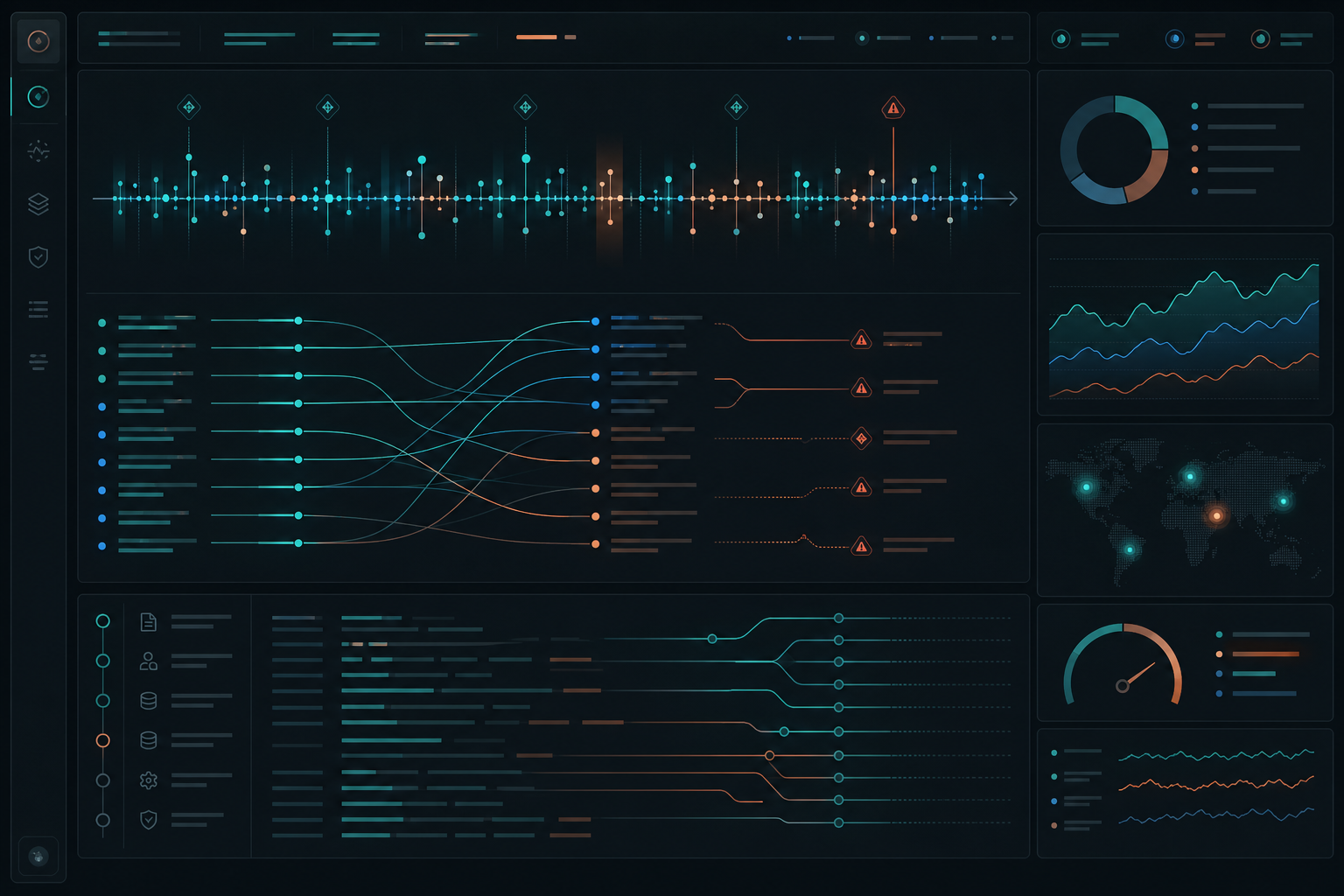
Trushex created an event-driven reconciliation pipeline that matched transaction expectations against provider and settlement signals. Mismatches were routed into exception queues with enough context for operations teams to understand the next action.
The architecture also introduced monitoring around exception volume, matching latency, provider signal quality, and unresolved operational queues. This gave both engineers and operations a shared view of payment health.
Implementation highlights
The delivery focused on durable integration boundaries rather than one-off glue code. Each implementation decision was made to keep provider behavior, operational visibility, and future extension points explicit.
- Modeled payment events for reconciliation workflows.
- Added Redis-backed queues for operational exception handling.
- Created metrics and dashboards for exception trends.
- Preserved audit context across matching, alerting, and review steps.
Results
The outcome was presented carefully as operational improvement, not as unverifiable performance claims. The value came from clearer ownership, faster investigation, and lower integration friction.
- Faster exception detection.
- Reduced operational blind spots.
- Clearer audit trail.
Similar work
Teams with similar integration constraints often start by mapping provider behavior, system ownership, operational signals, and the transaction or data states that need to become explicit.